
The Ultimate Late Summer Road Trip Checklist for Your Vehicle
A late summer road trip is one of the best ways to enjoy the final weeks of warm weather. Whether you’re heading to the lake, exploring a national park, visiting family, or taking one last vacation before fall arrives, your vehicle plays a critical role in getting you there safely.
While many people focus on packing luggage and planning their route, it’s just as important to make sure your vehicle is prepared for the journey. Long highway drives, high temperatures, heavy traffic, and additional cargo all place extra stress on your car. Ignoring routine maintenance before you leave can increase the chances of unexpected breakdowns that interrupt your trip.
Before you hit the road, take a few minutes to review this late summer road trip checklist. A little preparation now can help improve safety, reduce stress, and keep your vacation focused on making memories instead of dealing with vehicle problems.
Why Vehicle Preparation Matters
Even if your vehicle seems to be running well, long-distance travel can expose problems that don’t show up during your normal daily commute.
Highway driving often means:
- Extended engine operation
- Higher operating temperatures
- Increased tire wear
- Greater demand on the cooling system
- More stress on the battery
- Additional strain from passengers and luggage
A vehicle inspection before your late summer road trip can help identify small issues before they become expensive roadside repairs.
Start with Your Tires
Your tires are one of the most important parts of your vehicle, especially when you’re traveling long distances.
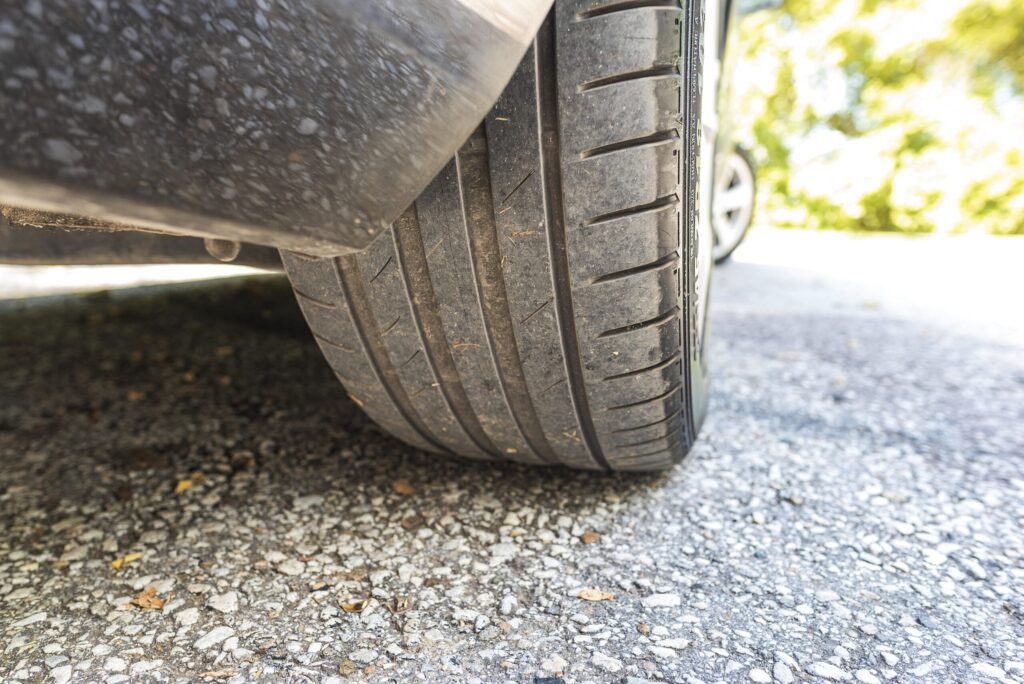
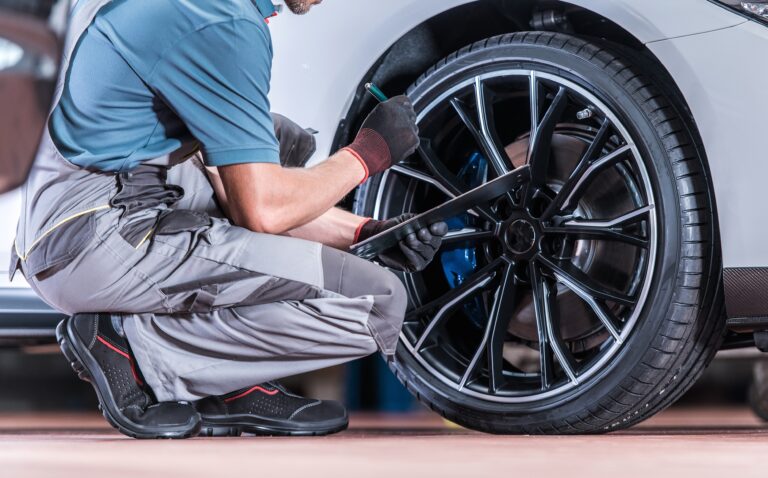
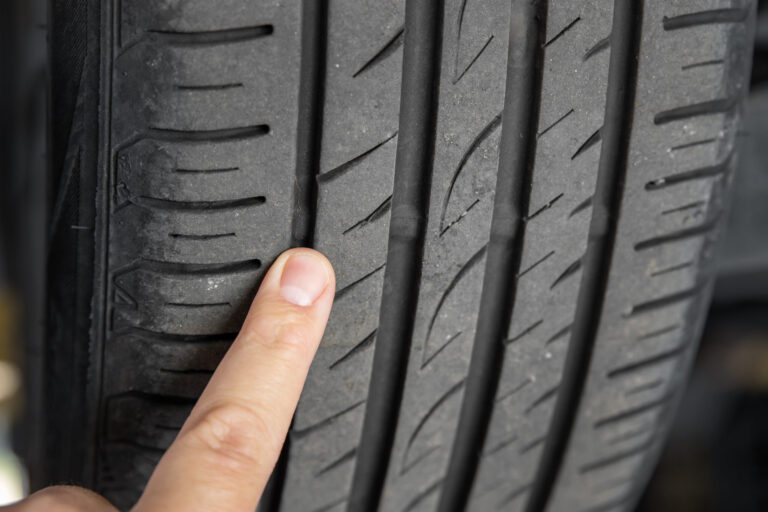
Before your late summer road trip, inspect all four tires and your spare.
Check for:
- Low tread depth
- Uneven wear
- Cracks or dry rot
- Bulges or sidewall damage
- Nails or punctures
Also verify that each tire is inflated to the manufacturer’s recommended pressure.
Proper tire pressure helps improve:
- Fuel economy
- Tire life
- Vehicle handling
- Braking performance
Don’t forget to check the spare tire as well. Many drivers never inspect it until they actually need it.
Schedule an Oil Change if Needed
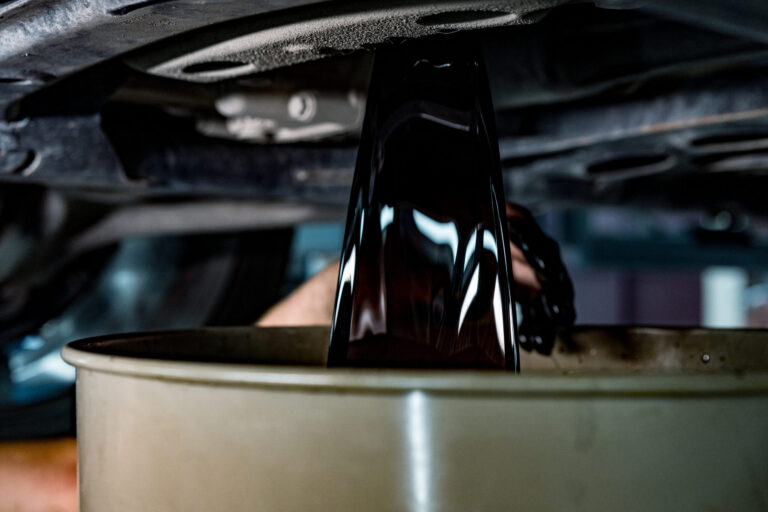
If your next oil change is approaching, it’s often a good idea to have it completed before leaving.
Fresh oil helps:
- Protect engine components
- Reduce friction
- Improve cooling
- Maximize engine performance
Driving several hundred miles beyond your recommended oil change interval during a late summer road trip increases unnecessary wear on your engine.
If you’re unsure whether your oil change is due, check your maintenance records or ask a trusted technician.
Inspect Your Cooling System
Late summer temperatures can still place significant stress on your engine’s cooling system.
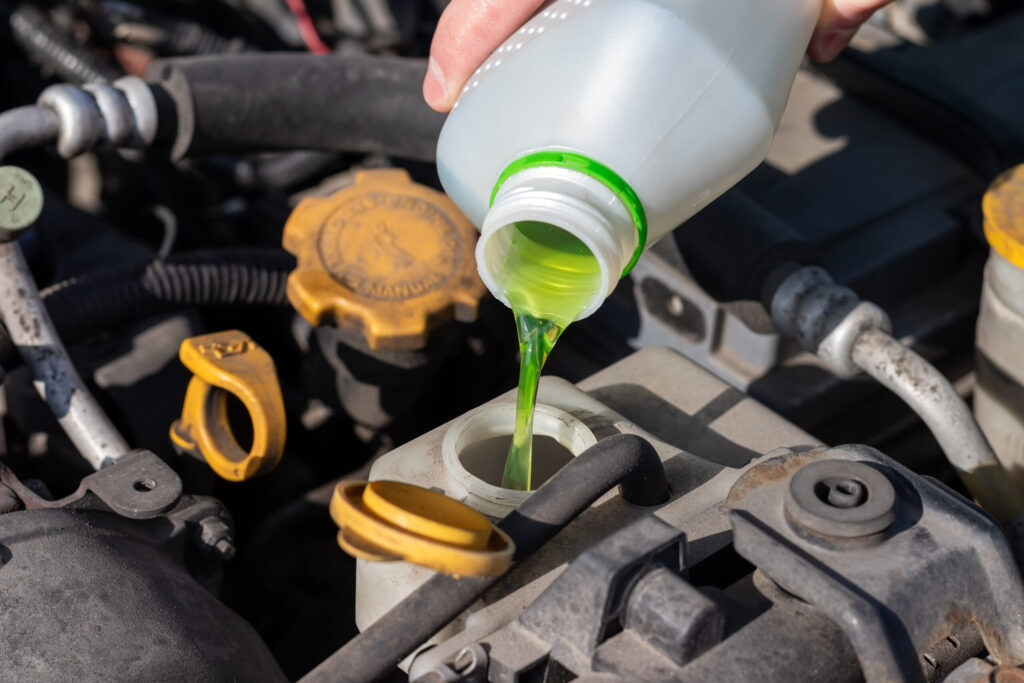
A properly functioning cooling system prevents overheating and protects your engine from serious damage.
Before your late summer road trip, have the following inspected:
- Coolant level
- Radiator
- Hoses
- Water pump
- Thermostat
- Cooling fans
Small coolant leaks often go unnoticed until long highway drives expose the problem.
If you’ve noticed rising engine temperatures or frequently need to add coolant, schedule service before your trip.
Test Your Battery
Summer heat can shorten battery life just as much as winter cold.
High temperatures accelerate internal battery wear, making late summer an excellent time to have your battery tested.
Signs of a weakening battery include:
- Slow engine cranking
- Dim headlights
- Electrical issues
- Corrosion around battery terminals
Battery testing is quick and inexpensive compared to dealing with a no-start situation hundreds of miles from home.
Check Your Brakes
Safe stopping is essential during any road trip.
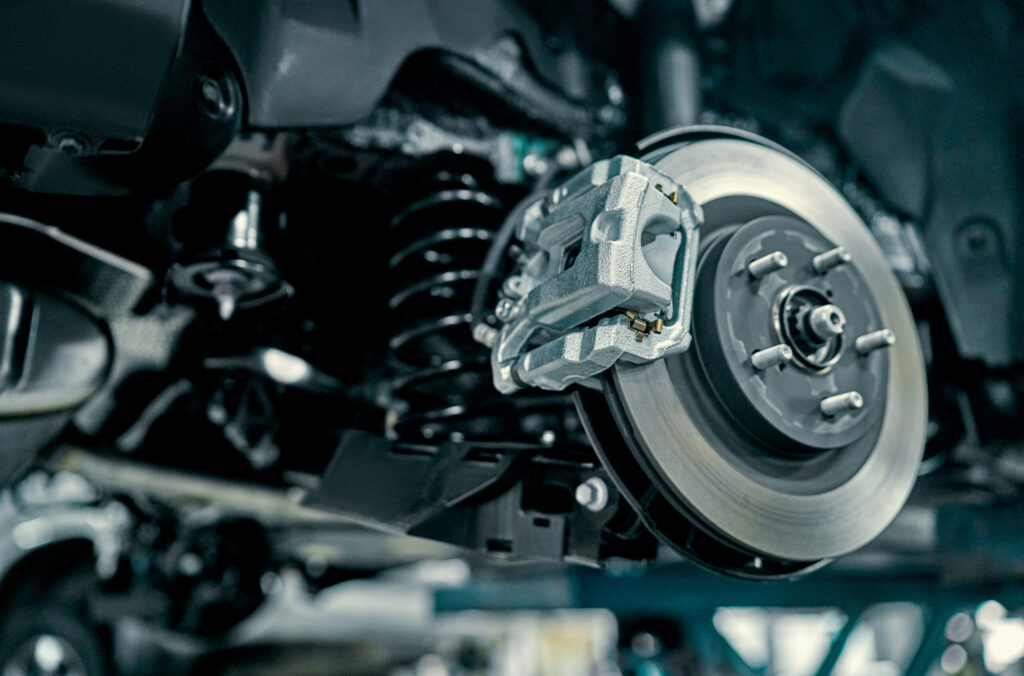
Before leaving, pay attention to warning signs such as:
- Squealing noises
- Grinding sounds
- Vibration while braking
- Soft brake pedal
- Increased stopping distance
Brake problems rarely improve on their own.
If something doesn’t feel right before your late summer road trip, have your braking system inspected.
Top Off Vehicle Fluids
Several fluids help keep your vehicle operating properly.
Before leaving, verify the condition and level of:
- Engine oil
- Coolant
- Brake fluid
- Transmission fluid
- Power steering fluid
- Windshield washer fluid
Low or contaminated fluids can lead to unnecessary breakdowns and expensive repairs.
Inspect Belts and Hoses
Rubber components naturally deteriorate over time.
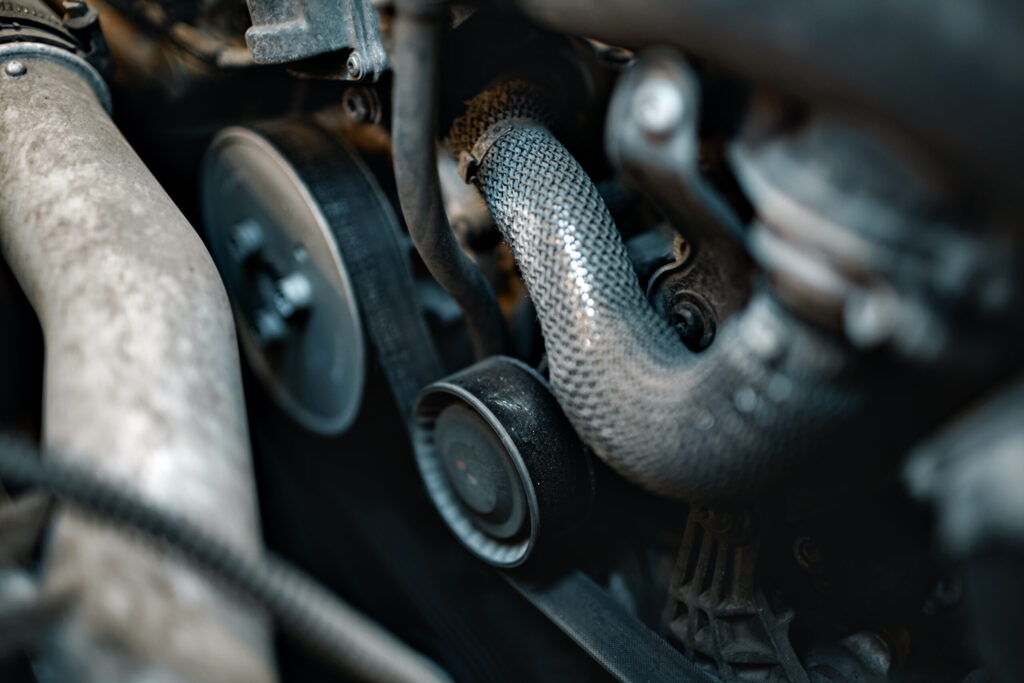
Heat accelerates this process.
Inspect belts and hoses for:
- Cracks
- Fraying
- Swelling
- Soft spots
- Leaks
A failed serpentine belt or burst radiator hose can quickly end your vacation.
Replacing worn components before they fail is far less expensive than emergency repairs while traveling.
Make Sure Your Air Conditioning Works Properly
A functioning air conditioner isn’t just about comfort.
It also helps reduce driver fatigue during long trips.
If your air conditioning:
- Blows warm air
- Takes too long to cool
- Produces unusual odors
- Makes strange noises
have it inspected before your late summer road trip.
Small AC issues are often easier and less expensive to repair before they become major failures.
Replace Worn Wiper Blades
Summer storms can appear with little warning.
Good visibility is essential when driving through heavy rain.
Replace your wiper blades if they:
- Leave streaks
- Skip across the windshield
- Squeak
- Show cracked rubber
Also make sure your windshield washer system works properly.
Verify Exterior Lights
Walk around your vehicle and check every exterior light.
Confirm your:
- Headlights
- High beams
- Brake lights
- Tail lights
- Turn signals
- Reverse lights
Proper lighting helps keep you visible and improves safety during nighttime driving.
Pack an Emergency Kit
Even well-maintained vehicles can experience unexpected issues.
A basic emergency kit should include:
- Jumper cables
- Flashlight
- Tire pressure gauge
- First aid kit
- Bottled water
- Phone charger
- Basic hand tools
- Reflective warning triangles
These simple supplies can make unexpected situations much easier to handle.
Don’t Forget Your Spare Tire and Jack
Many people assume their spare tire is ready to use.
Unfortunately, spare tires can lose air over time.
Verify that you have:
- A properly inflated spare
- Vehicle jack
- Lug wrench
- Wheel lock key if equipped
You don’t want to discover missing equipment after getting a flat tire.
Pay Attention to Warning Lights
Never ignore dashboard warning lights before a road trip.
If your vehicle has:
- Check engine light
- Battery warning light
- Brake warning light
- Temperature warning
- Tire pressure warning
have the issue diagnosed before traveling.
Small problems often become larger ones during long-distance driving.
Consider a Pre-Trip Vehicle Inspection
One of the best investments you can make before a late summer road trip is a professional inspection.
During a pre-trip inspection, technicians can evaluate:
- Tires
- Brakes
- Suspension
- Steering
- Battery
- Cooling system
- Belts
- Hoses
- Fluid levels
- Exterior lighting
Many problems can be identified before they leave you stranded on the side of the road.
Benefits of Preparing Your Vehicle
Taking time to prepare your vehicle before your late summer road trip offers several important advantages.
You’ll enjoy:
- Greater reliability
- Improved fuel economy
- Better safety
- Reduced stress
- Lower risk of breakdowns
- More confidence behind the wheel
Instead of worrying about vehicle problems, you’ll be able to focus on enjoying your destination.
Common Road Trip Mistakes to Avoid
Many breakdowns happen because drivers overlook simple maintenance items.
Avoid these common mistakes:
- Ignoring dashboard warning lights
- Driving on worn tires
- Skipping fluid checks
- Forgetting the spare tire
- Delaying oil changes
- Overloading the vehicle
- Waiting until the last minute for inspections
A little planning goes a long way toward preventing unexpected problems.
Conclusion
A late summer road trip is a great opportunity to enjoy the season before cooler weather arrives, but your vehicle needs to be just as ready for the journey as you are. Taking time to inspect your tires, brakes, battery, cooling system, fluids, and other essential components can greatly reduce the risk of unexpected repairs while you’re away from home.
Whether you’re traveling across Minnesota or heading several states away, preventative maintenance helps protect your investment and gives you greater peace of mind behind the wheel. If you’re planning a late summer road trip and want the confidence that your vehicle is prepared for the miles ahead, contact us here. Our experienced team can perform a thorough pre-trip inspection and help ensure your vehicle is ready for wherever the road takes you.
Further Reading
- National Highway Traffic Safety Administration, Vehicle Safety: https://www.nhtsa.gov
- Car Care Council, Road Trip Checklist: https://www.carcare.org
- AAA, Road Trip Vehicle Preparation: https://www.aaa.com
- Michelin Tire Care and Maintenance: https://www.michelinman.com/auto/auto-tips-and-advice
- Consumer Reports, Car Maintenance Guide: https://www.consumerreports.org/cars