10 Critical Signs You Need New Tires Before It’s Too Late
Your tires are the only part of your vehicle that make direct contact with the road, making them one of the most important safety components on your car, truck, or SUV. Healthy tires provide traction, improve braking, enhance handling, and help keep you safe in changing road conditions. Unfortunately, many drivers don’t realize their tires are worn until they experience poor performance or even a blowout.
Recognizing the signs you need new tires can help you avoid dangerous driving conditions and expensive repairs. Whether you’re commuting through Minneapolis, taking a road trip, or simply running errands around town, knowing when to replace your tires is essential.
In this guide, we’ll explain the most common signs you need new tires, how to inspect them yourself, and why replacing worn tires at the right time can improve both safety and performance.
Why Tire Condition Matters
Your tires do much more than simply support the weight of your vehicle. They are responsible for:
- Providing traction on dry, wet, and snowy roads
- Helping your vehicle brake effectively
- Maintaining steering control
- Supporting fuel efficiency
- Delivering a comfortable ride
- Improving overall vehicle stability
As tires wear, they lose their ability to grip the road properly. This can increase stopping distances, reduce handling, and make driving more dangerous, especially during Minnesota’s unpredictable weather.
Understanding the signs you need new tires can help you stay ahead of potential problems.
1. Your Tread Depth Is Too Low
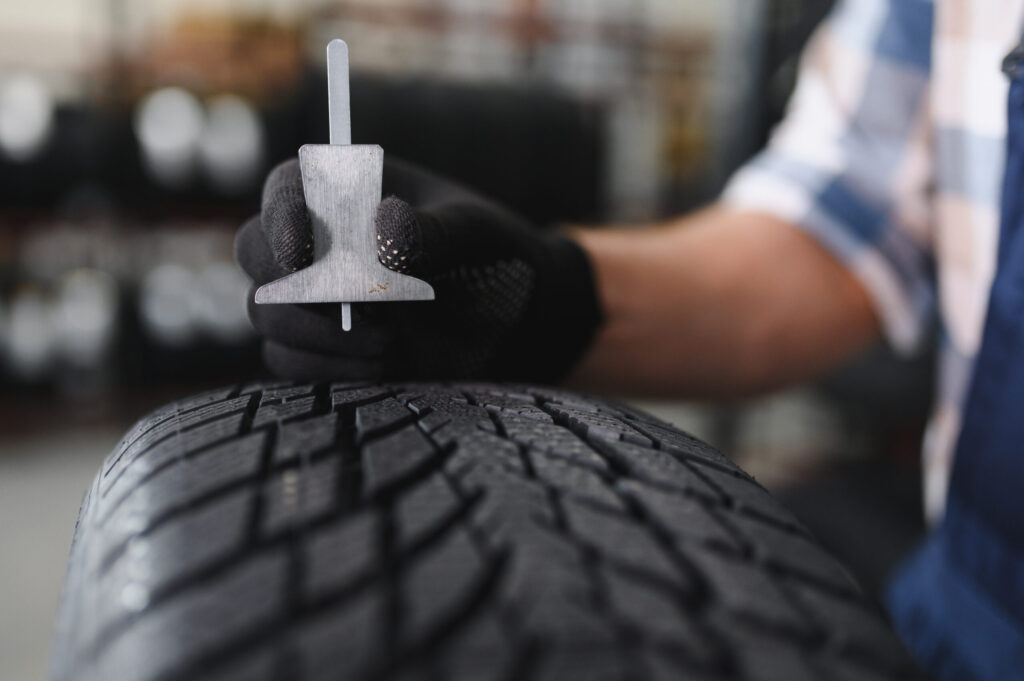
One of the clearest signs you need new tires is worn tread.
Tire tread channels water away from the tire, allowing it to maintain contact with the road. As the tread wears down, traction decreases, especially in wet conditions.
A simple way to check tread depth is the penny test.
Insert a penny into the tread with Lincoln’s head upside down. If you can see the top of his head, your tread is likely below the recommended minimum and your tires should be replaced soon.
Many tire manufacturers also recommend replacement once tread reaches 4/32 of an inch for wet-weather safety, even though the legal minimum in most states is 2/32 of an inch.
2. Uneven Tire Wear
Not all tire wear happens evenly.
If one edge of the tire is worn more than the other, or if the center wears faster than the shoulders, it often indicates another issue.
Common causes include:
- Improper wheel alignment
- Incorrect tire pressure
- Suspension problems
- Worn steering components
- Lack of tire rotations
Uneven wear is one of the most overlooked signs you need new tires because many drivers only inspect the outside edge of the tire.
A professional inspection can determine whether replacing the tires alone is enough or if another repair is needed to prevent premature wear on the next set.
3. Cracks in the Sidewall
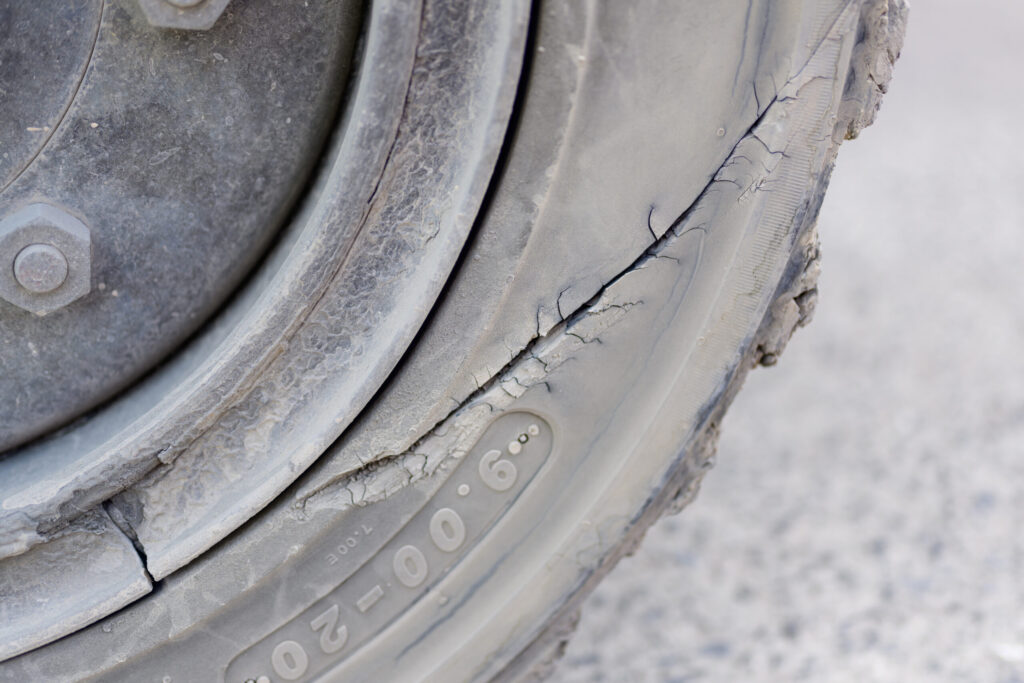
Tires naturally age over time, even if they still have tread remaining.
Exposure to sunlight, heat, cold temperatures, and road chemicals can cause the rubber to dry out and crack.
Small surface cracks may seem harmless, but deeper cracks weaken the tire structure and increase the risk of failure.
If you notice visible cracking or dry rot, it’s one of the important signs you need new tires.
4. Bulges or Blisters
A bulge on the sidewall indicates internal damage.
This often occurs after hitting potholes, curbs, or road debris.
A weakened sidewall can fail without warning, potentially leading to a dangerous blowout.
If you notice any bulges, bubbles, or deformities, the tire should be inspected immediately.
5. Frequent Loss of Air Pressure
If you’re constantly adding air to one tire, there may be more than a simple puncture.
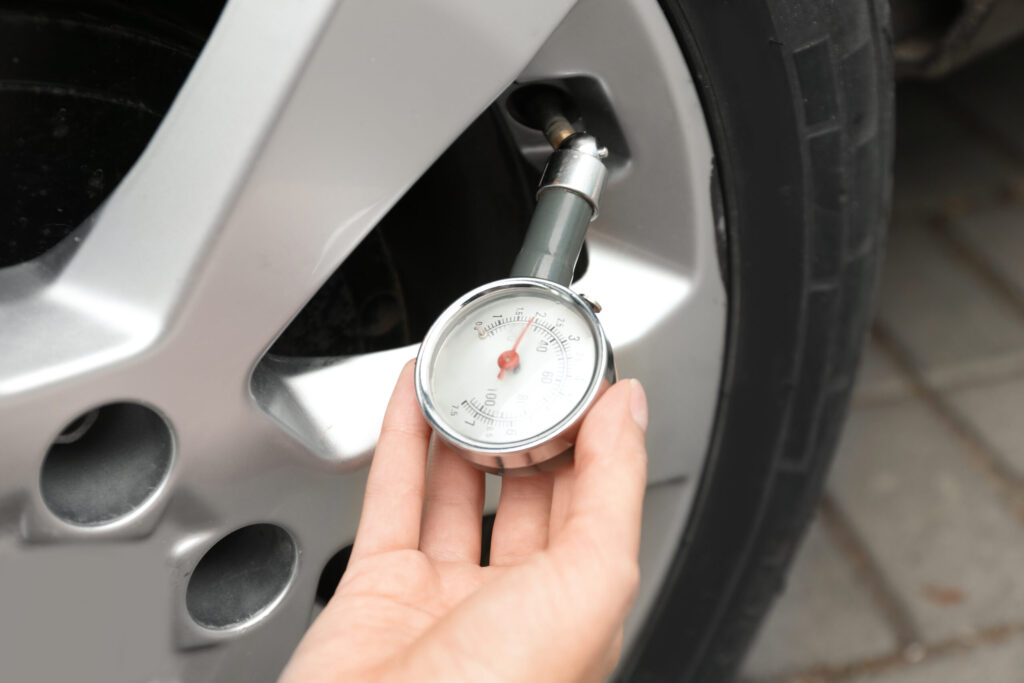
Possible causes include:
- Tire damage
- Valve stem leaks
- Bead leaks
- Internal tire failure
While some leaks can be repaired, others require complete tire replacement.
Frequent air loss is one of the more subtle signs you need new tires and shouldn’t be ignored.
6. Excessive Vibration While Driving
Some vibration is normal depending on road conditions, but excessive vibration is often a warning sign.
Possible causes include:
- Tire separation
- Internal tire damage
- Uneven tire wear
- Bent wheels
- Wheel balance issues
If vibration continues after balancing the tires, replacement may be necessary.
Ignoring the issue can place additional stress on suspension and steering components.
7. Your Tires Are More Than Six Years Old
Many people focus only on tread depth, but tire age is just as important.
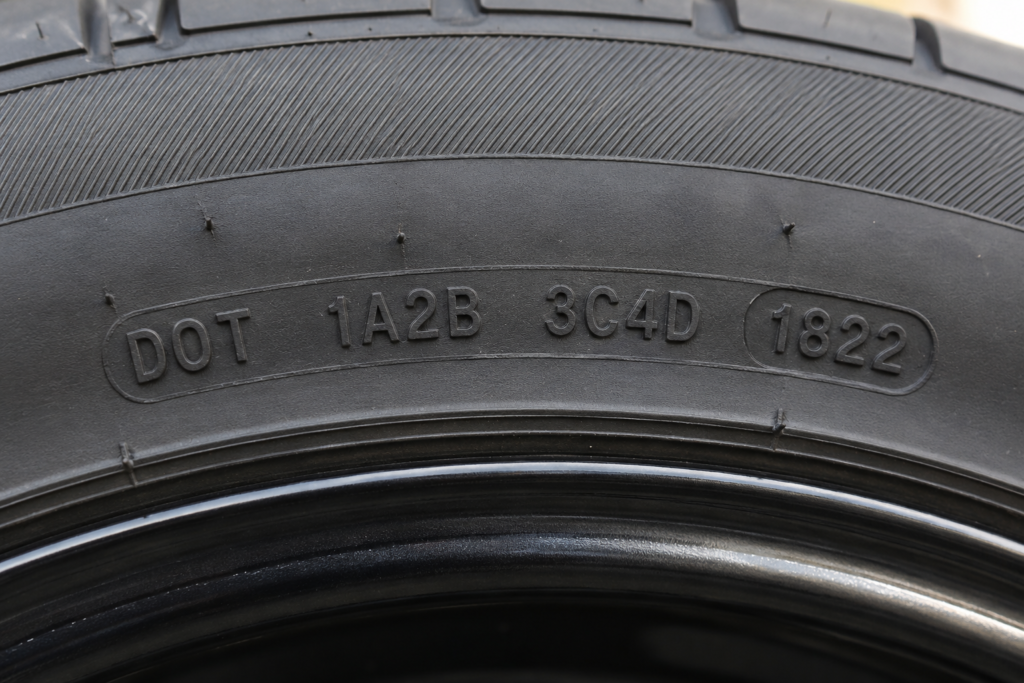
Most manufacturers recommend inspecting tires carefully once they reach six years old, regardless of mileage.
Rubber naturally deteriorates over time, reducing flexibility and grip.
You can determine tire age by checking the DOT code on the sidewall. The last four digits represent the week and year the tire was manufactured.
For example:
1822
means the tire was built during the 18th week of 2022.
Age-related deterioration is one of the less obvious signs you need new tires, but it’s an important one.
8. Your Vehicle Doesn’t Handle Like It Used To
If your vehicle suddenly feels less stable around corners or takes longer to stop, worn tires may be responsible.
Drivers often notice:
- Reduced steering response
- Longer braking distances
- Poor traction on wet roads
- Increased hydroplaning
- Reduced confidence while driving
Handling changes often happen gradually, making them difficult to notice until the tires become significantly worn.
9. You Frequently Hydroplane
Hydroplaning occurs when water builds between the tire and the road.
Good tread helps push water away.
As tread wears down, the tire cannot evacuate water effectively.
If your vehicle begins hydroplaning more frequently during rain, it is one of the strongest signs you need new tires.
Replacing worn tires can dramatically improve wet-weather safety.
10. Your Tires Have Been Repaired Multiple Times
A properly repaired puncture can often provide years of reliable service.
However, multiple repairs weaken the overall integrity of the tire.
If your tires have several plugs or patches, replacement may be the safest option.
Your technician can help determine whether repair or replacement is appropriate.
How Often Should Tires Be Replaced?
There is no universal mileage that applies to every driver.
Some tires last 40,000 miles.
Others can exceed 70,000 miles.
Factors that affect tire life include:
- Driving habits
- Road conditions
- Tire quality
- Vehicle weight
- Tire maintenance
- Alignment
- Tire pressure
Routine inspections are the best way to determine whether replacement is necessary.
How to Make Your Tires Last Longer
Although every tire eventually wears out, proper maintenance can significantly extend its lifespan.
To maximize tire life:
- Rotate your tires every 5,000 to 7,500 miles.
- Check tire pressure monthly.
- Schedule wheel alignments when needed.
- Balance tires after installation and as recommended.
- Avoid aggressive acceleration and hard braking.
- Inspect tread regularly.
- Address suspension problems promptly.
These simple habits help reduce uneven wear and improve overall vehicle performance.
Why Professional Tire Inspections Matter
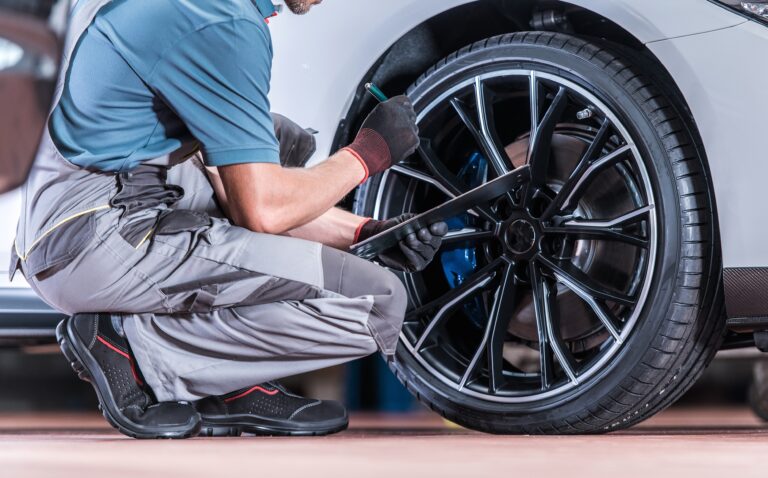
While it’s helpful to perform visual inspections at home, professional inspections often reveal issues that aren’t obvious.
Technicians can identify:
- Internal tire damage
- Suspension wear
- Alignment problems
- Tire balance issues
- Irregular tread wear patterns
- Sidewall defects
Catching these problems early can prevent unexpected tire failure and improve the safety of your vehicle.
Choosing the Right Replacement Tires
Not every tire is right for every driver.
When replacing your tires, factors to consider include:
- Driving conditions
- Seasonal weather
- Highway versus city driving
- Ride comfort
- Tread life
- Fuel efficiency
- Manufacturer recommendations
Choosing the proper tire helps maximize safety, comfort, and long-term value.
A trusted repair shop can recommend tires that match your driving habits and budget.
Conclusion
Recognizing the signs you need new tires is one of the simplest ways to keep your vehicle safe and performing at its best. From worn tread and uneven wear to sidewall damage and aging rubber, these warning signs should never be ignored. Replacing your tires before they become a safety risk improves traction, braking, fuel efficiency, and overall driving confidence.
If you’ve noticed any of these signs you need new tires or you’re simply unsure about the condition of your current set, don’t wait until a minor issue becomes a major problem. A professional tire inspection can provide peace of mind and help you make informed decisions about your vehicle. If you’d like experienced technicians to inspect your tires or help you choose the right replacements, contact us here. We’ll be happy to help keep your vehicle safe and ready for the road.
Further Reading
- National Highway Traffic Safety Administration – Tire Safety: https://www.nhtsa.gov/equipment/tires
- Tire Industry Association – Tire Safety Resources: https://www.tireindustry.org
- U.S. Tire Manufacturers Association: https://www.ustires.org
- Michelin Tire Care Guide: https://www.michelinman.com/auto/auto-tips-and-advice
- Bridgestone Tire Maintenance: https://www.bridgestonetire.com