The Essential Guide: How Often Should I Change My Oil to Protect My Engine?
How Often Should I Change My Oil?
One of the most common questions vehicle owners ask is, “how often should I change my oil?” It’s a simple question, but the answer can vary depending on your vehicle, driving habits, and the type of oil you use.
For years, many drivers followed the old rule of changing their oil every 3,000 miles. While that recommendation was once standard, modern engines and advanced oil formulations have changed the landscape significantly. Today’s vehicles can often go much longer between oil changes, but that doesn’t mean you should ignore routine maintenance.
Understanding how often should I change my oil can help you avoid costly engine repairs, improve fuel efficiency, and extend the life of your vehicle. Let’s take a closer look at what determines the right oil change interval and why staying on top of this maintenance service is so important.
Why Engine Oil Is So Important
Before discussing how often should I change my oil, it helps to understand what engine oil actually does.
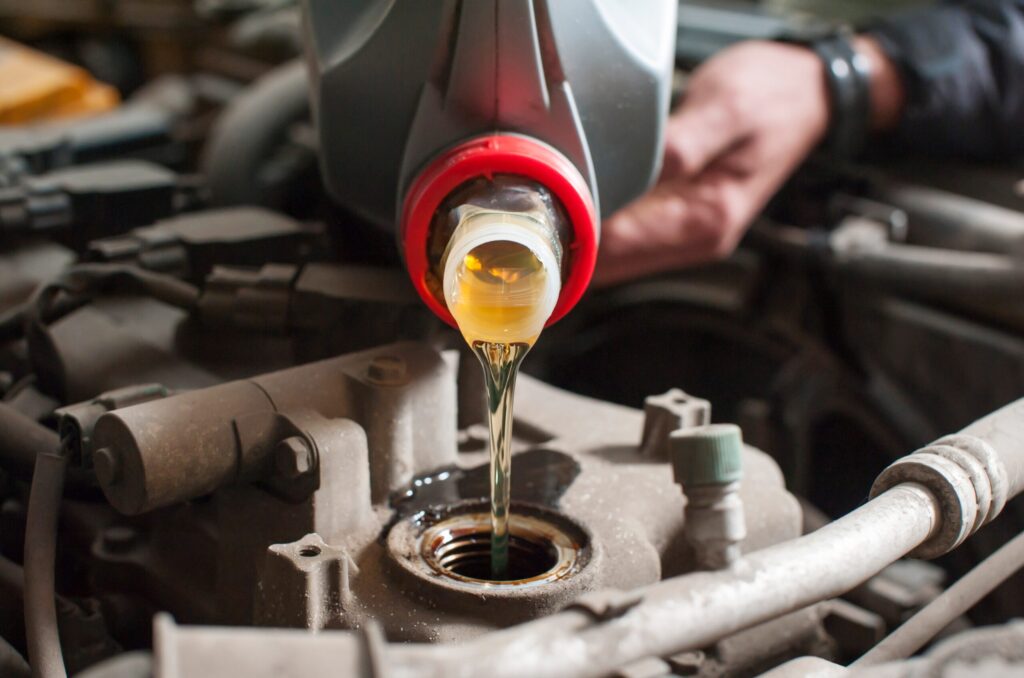
Engine oil serves several critical functions:
- Lubricates moving engine parts
- Reduces friction and wear
- Helps regulate engine temperature
- Prevents corrosion
- Removes contaminants and debris
- Keeps internal engine components clean
Without clean oil, metal parts inside your engine can begin grinding against each other, creating excessive heat and wear. Over time, this can lead to serious engine damage and expensive repairs.
Oil is often called the lifeblood of your engine because it plays such a vital role in keeping everything running smoothly.
The Old 3,000-Mile Rule Is Often Outdated
Many drivers still believe they should change their oil every 3,000 miles. While this was good advice decades ago, modern vehicles have come a long way.
Most newer vehicles can safely travel between 5,000 and 10,000 miles between oil changes, depending on manufacturer recommendations and driving conditions.
If you’ve been wondering how often should I change my oil, the best starting point is always your owner’s manual. Vehicle manufacturers design maintenance schedules specifically for your engine and driving conditions.
Following manufacturer guidelines can help you avoid unnecessary oil changes while still protecting your vehicle.
Factors That Affect How Often You Should Change Your Oil
The answer to how often should I change my oil isn’t the same for every driver. Several factors influence how frequently oil should be replaced.
Vehicle Age
Older vehicles may require more frequent oil changes than newer models.
As engines age, internal components experience wear that can increase contamination in the oil. Older vehicles may also burn oil more quickly, requiring closer monitoring.
If your vehicle has over 100,000 miles, your technician may recommend adjusting your maintenance schedule based on its condition.
Type of Oil Used
The type of oil in your engine plays a major role in determining how often should I change my oil.
Conventional Oil
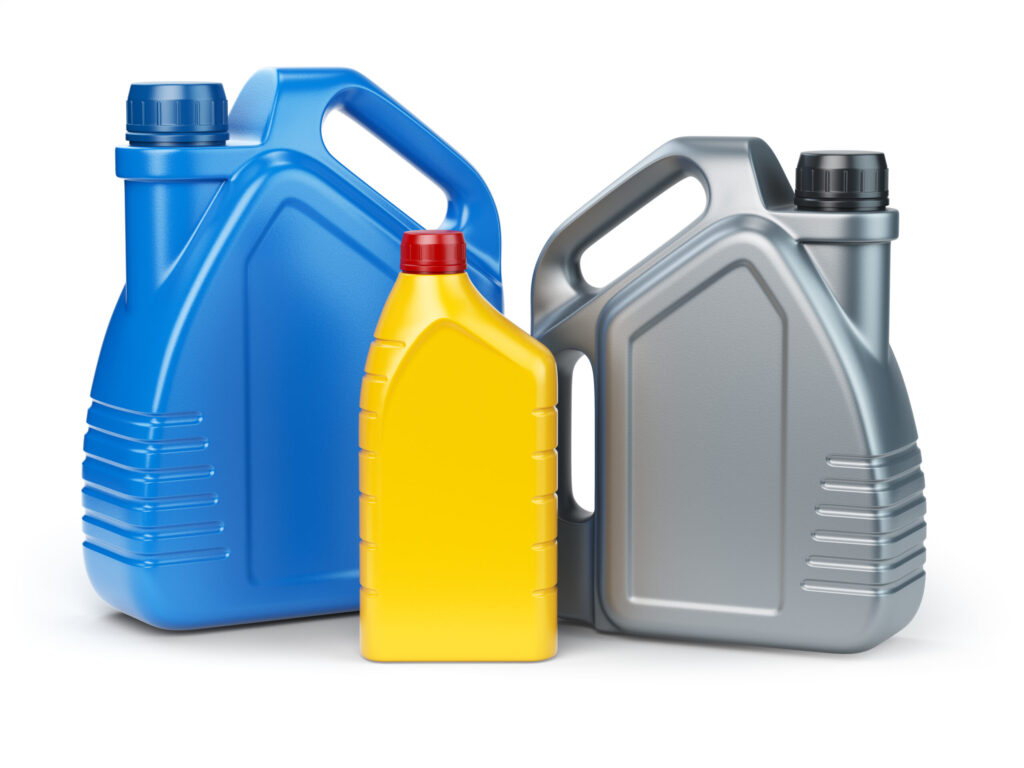
Conventional motor oil typically requires more frequent replacement and may be recommended every 3,000 to 5,000 miles.
Synthetic Blend Oil
Synthetic blends offer improved performance and longevity compared to conventional oil.
Full Synthetic Oil
Full synthetic oil provides the highest level of protection and can often last between 7,500 and 10,000 miles or more under normal driving conditions.
Many modern vehicles are specifically designed to use synthetic oil.
Your Driving Habits Matter
When determining how often should I change my oil, your driving habits are just as important as your mileage.
Frequent Short Trips
Short trips can be hard on your engine.
When you drive only a few miles at a time, the engine may not reach full operating temperature. This allows moisture and contaminants to build up inside the oil.
Drivers who frequently make short trips may need oil changes more often.
Stop-and-Go Traffic
Heavy traffic places additional stress on your engine.
Although you’re not accumulating highway miles, your engine continues running and generating heat while idling.
This can cause oil to degrade more quickly.
Towing and Hauling
Pulling trailers, boats, or heavy loads increases engine workload significantly.
If you regularly tow or haul heavy cargo, your oil may need replacement sooner than the standard interval.
Extreme Temperatures
Minnesota drivers experience both hot summers and extremely cold winters.
Extreme temperatures can affect oil performance and accelerate wear on engine components.
This is another reason why understanding how often should I change my oil depends on more than mileage alone.
Signs Your Oil Needs Attention
Even if you follow a maintenance schedule, it’s important to watch for signs that your oil may need changing sooner.
Common warning signs include:
Oil Change Reminder Light
Most modern vehicles monitor driving conditions and oil life.
When the oil change light appears, it’s time to schedule service.
Ignoring this warning can lead to accelerated engine wear.
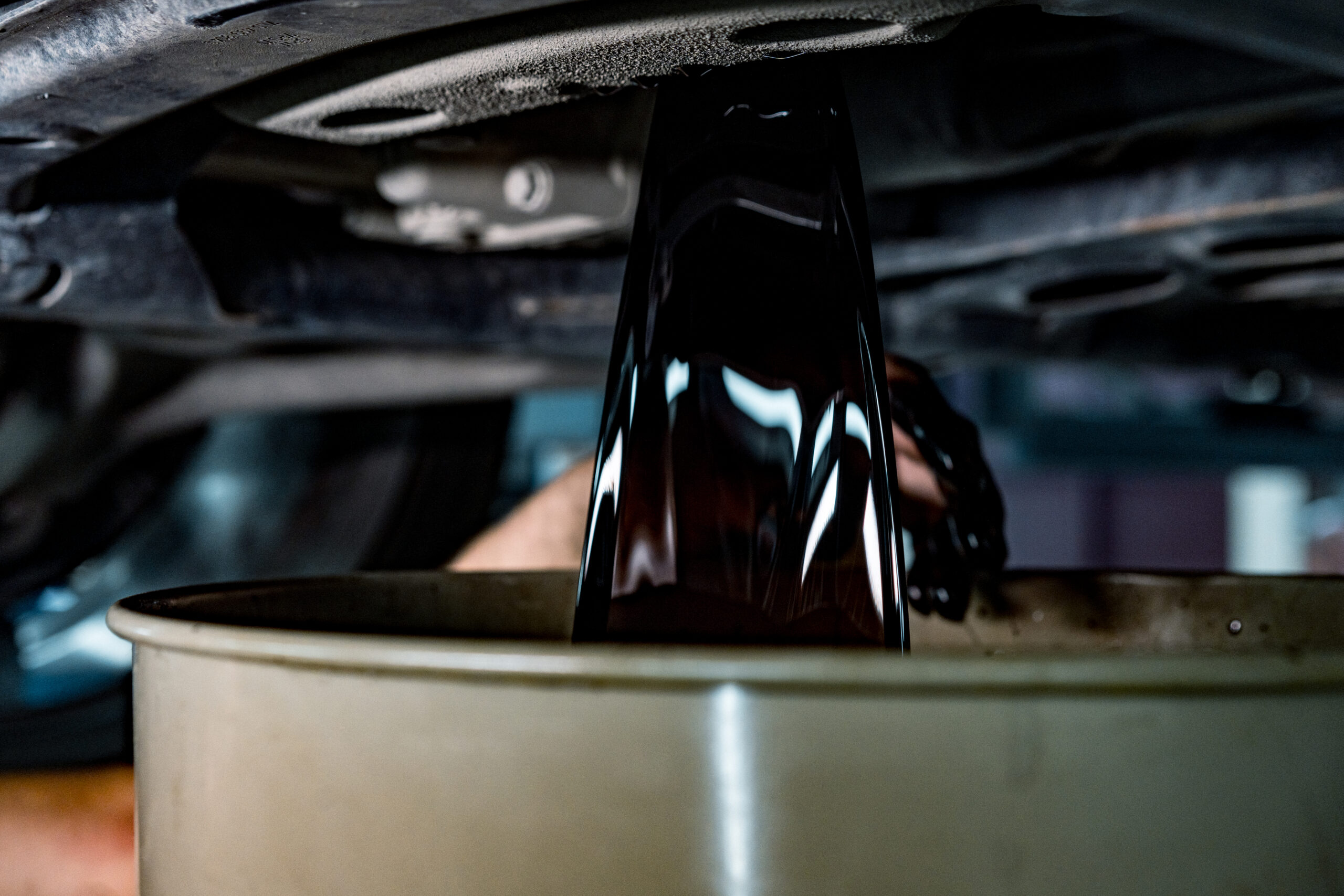
Dirty Oil
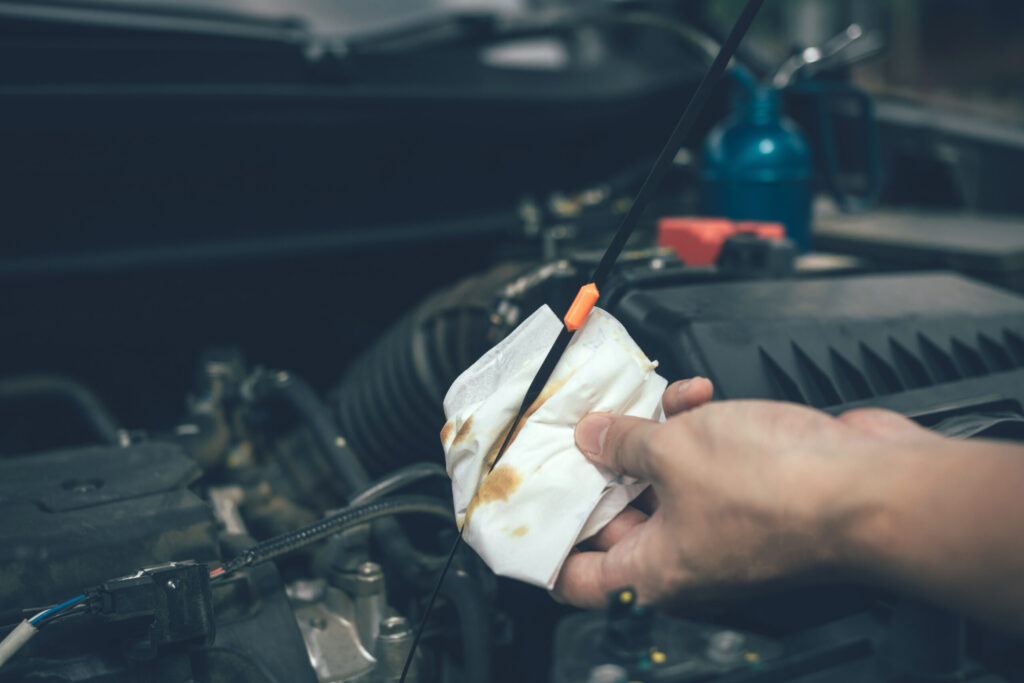
Fresh oil appears amber and relatively clear.
Over time, oil becomes darker as it collects contaminants.
While dark oil doesn’t always mean immediate replacement is necessary, excessively dirty oil should be inspected.
Engine Noise
Oil helps cushion moving engine components.
As oil breaks down, you may notice increased engine noise, ticking sounds, or rough operation.
Reduced Fuel Economy
Old oil increases internal friction.
This can force your engine to work harder and reduce fuel efficiency.
Burning Oil Smell
A strong oil smell inside or outside the vehicle may indicate oil leaks or oil that has deteriorated due to excessive heat.
What Happens If You Wait Too Long?
Many drivers asking how often should I change my oil are really wondering how much flexibility they have.
While going slightly beyond a recommended interval occasionally may not cause immediate damage, consistently delaying oil changes can create serious problems.
Increased Engine Wear
Old oil loses its lubricating properties.
This allows increased friction between internal engine components.
Sludge Formation
As oil degrades, contaminants can accumulate and form sludge.
Sludge restricts oil flow and reduces engine efficiency.
Overheating
Clean oil helps dissipate heat.
Old oil struggles to perform this function effectively, increasing the risk of overheating.
Reduced Engine Life
Neglecting oil changes can significantly shorten the lifespan of your engine.
An engine replacement can cost thousands of dollars, making routine oil changes one of the most cost-effective maintenance services available.
Should You Follow Mileage or Time?
Many drivers don’t accumulate high mileage each year.
This often leads to the question, how often should I change my oil if I barely drive?
Even if your vehicle sits for long periods, oil continues to age.
Moisture, condensation, and contaminants can still affect oil quality over time.
Most manufacturers recommend changing oil at least once or twice per year, even if you haven’t reached the mileage interval.
A good rule of thumb is to follow whichever comes first:
- Mileage recommendation
- Time recommendation
For example, if your owner’s manual recommends 7,500 miles or 12 months, you should change the oil when either limit is reached.
The Benefits of Staying on Schedule
Following the proper oil change schedule offers several advantages.
Better Fuel Efficiency
Clean oil reduces friction and helps your engine operate more efficiently.
Improved Performance
Fresh oil helps maintain smooth engine operation and responsiveness.
Longer Engine Life
Regular oil changes help prevent premature wear and costly repairs.
Better Resale Value
Maintenance records can increase buyer confidence when it’s time to sell your vehicle.
Lower Repair Costs
Routine maintenance is significantly less expensive than major engine repairs.
How Long Does an Oil Change Take?
Another common question from drivers is how long an oil change typically takes.
In most cases, a professional oil change can be completed in less than an hour.
During your appointment, technicians may also:
- Inspect fluid levels
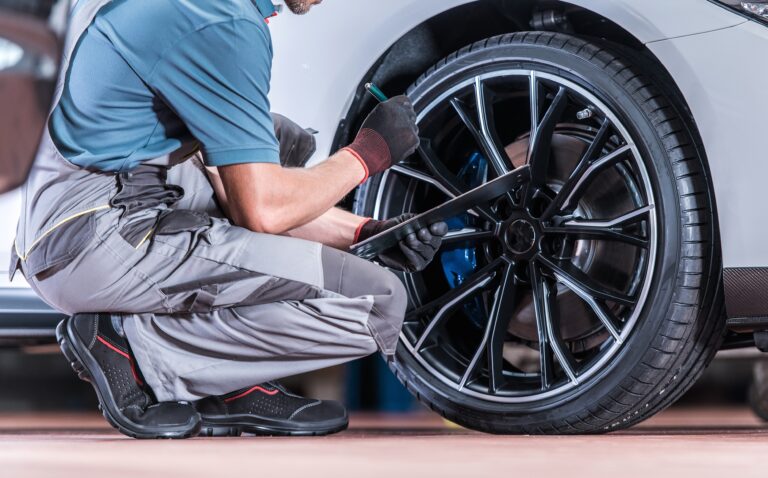
- Check tire pressure
- Inspect belts and hoses
- Examine filters
- Perform a visual vehicle inspection
These additional checks can help identify minor issues before they become major repairs.
Why Professional Oil Changes Matter
While some vehicle owners prefer DIY maintenance, professional oil changes provide additional benefits.
Experienced technicians can:
- Use the correct oil specification
- Install quality filters
- Identify potential leaks
- Monitor overall vehicle health
- Recommend future maintenance needs
Routine inspections often catch problems early, helping drivers avoid unexpected breakdowns and repair bills.
Conclusion
If you’ve been asking yourself, “how often should I change my oil,” the answer depends on your vehicle, driving habits, oil type, and manufacturer recommendations. While many modern vehicles can go much longer than the old 3,000-mile guideline, regular oil changes remain one of the most important services you can perform for your vehicle.
Staying proactive with oil changes helps improve performance, maximize fuel efficiency, and protect your engine from unnecessary wear. Whether you drive a few thousand miles per year or spend hours commuting through Minneapolis traffic, following the right maintenance schedule can save you money and extend the life of your vehicle.
If you’re unsure how often should I change my oil for your specific vehicle, or if it’s time for your next service, contact us here. Our team can help you determine the proper maintenance schedule and keep your vehicle running reliably for years to come.
Further Reading
- American Automobile Association (AAA): https://www.aaa.com
- Car Care Council: https://www.carcare.org
- Mobil Oil Maintenance Guide: https://www.mobil.com
- Valvoline Oil Change Resources: https://www.valvoline.com
- Consumer Reports Vehicle Maintenance: https://www.consumerreports.org/cars