
Why Does My Car Make a Clunking Noise Over Bumps? 8 Critical Causes
You drive over a speed bump, pothole, or rough patch of pavement and suddenly hear a clunk from underneath your vehicle. At first, you may wonder whether something in the trunk shifted. But when the noise happens again over the next bump, it becomes harder to ignore.
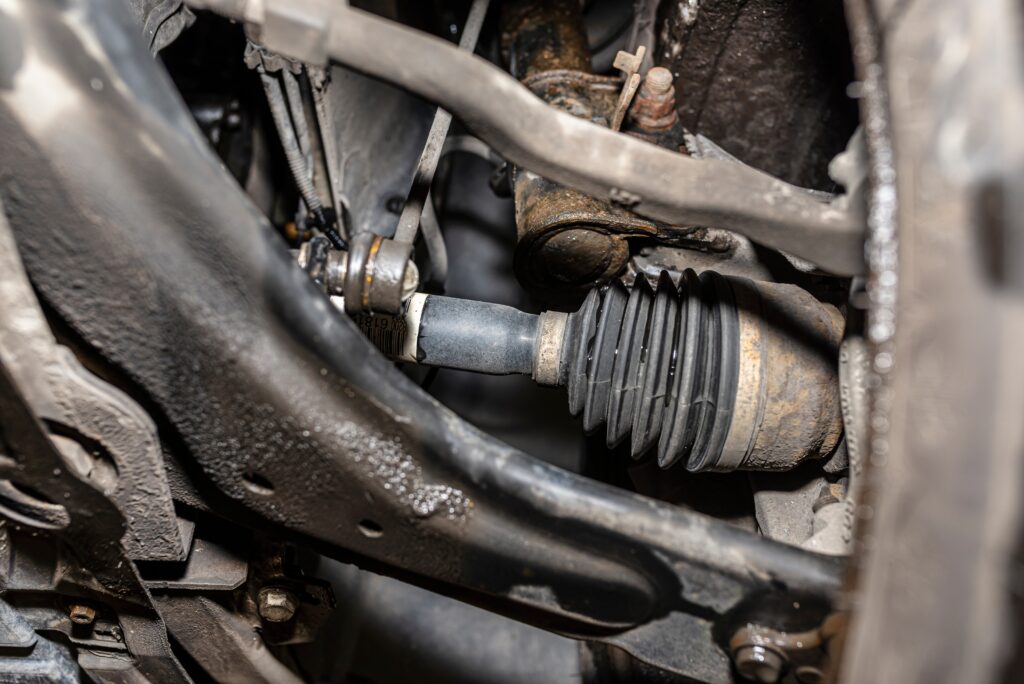
A car clunking over bumps often points to wear or looseness somewhere in the suspension or steering system. Your suspension contains numerous components that move together every time your tires travel over an uneven surface. As bushings, joints, mounts, and other parts wear, the additional movement can create knocking or clunking sounds.
That doesn’t mean every clunk requires an expensive suspension repair. Loose exhaust components and other problems can sometimes create similar noises. The key is determining exactly where the sound originates and which component is responsible.
Here are eight common reasons your car may make a clunking noise over bumps and the other symptoms that can help point technicians toward the cause.
1. Worn Sway Bar Links
Sway bar links are one of the first components technicians may inspect when a vehicle develops a clunk over uneven pavement.
The sway bar helps control body roll as your vehicle turns. Links connect the sway bar to suspension components near each wheel.
These links contain joints or bushings that can wear over time. Once enough play develops, the link may move or knock as the suspension travels up and down.
You may notice the clunk most often when:
- Driving slowly over uneven pavement
- Crossing speed bumps
- Pulling into driveways
- Traveling over small potholes
- One wheel moves differently than the other
A worn sway bar link may initially sound like a minor annoyance, but it is still worth having inspected.
2. Worn Control Arm Bushings
Control arms help connect the wheel assembly to the vehicle while allowing the suspension to move.
Bushings are positioned at connection points to cushion movement and isolate vibration. These bushings are typically made from rubber or similar flexible materials that deteriorate over time.
As a bushing cracks, separates, or wears out, the control arm can move farther than intended. That movement may create a noticeable clunk when the vehicle hits a bump.
Worn control arm bushings can also contribute to:
- Loose or wandering steering
- Uneven tire wear
- Vibration
- Changes in alignment
- Poor handling
If you have a car clunking over bumps along with changes in steering or handling, worn bushings may be part of the problem.
3. Worn or Loose Ball Joints
Ball joints allow parts of your suspension to move while maintaining a secure connection between components.
Think of a ball joint somewhat like a hip joint. It needs to move in multiple directions while remaining securely connected.
Over thousands of miles, the joint can develop excessive play. Once this happens, you may hear a clunk or knock when driving over bumps or making turns.
Other possible symptoms of worn ball joints include:
- Loose steering
- Uneven tire wear
- Vehicle wandering
- Steering wheel vibration
- Clunking while turning
- Changes in alignment
Ball joints deserve prompt attention because severe wear can eventually affect your ability to control the vehicle.
4. Worn Shocks or Struts
Shocks and struts help control suspension movement after your vehicle encounters a bump.
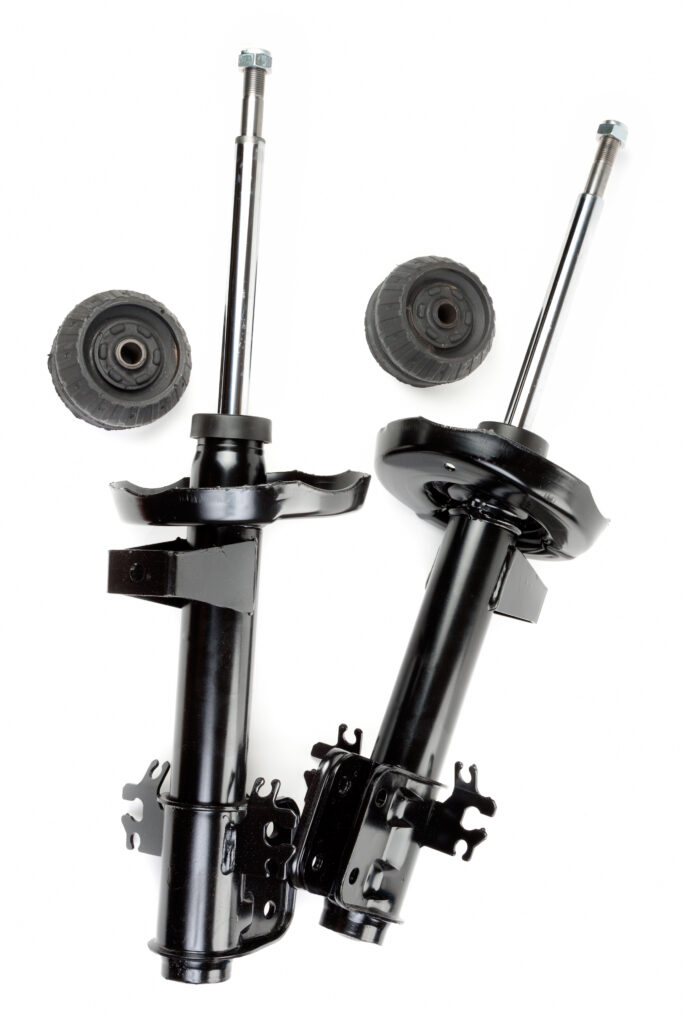
Without proper damping, your vehicle would continue bouncing after every dip or uneven section of pavement.
As shocks or struts wear, you may begin noticing more than just a noise.
Common symptoms include:
- Excessive bouncing
- Rough ride
- Nose diving while braking
- Excessive body movement while turning
- Uneven tire wear
- Fluid leaking from a shock or strut
- Clunking or knocking
The noise may also come from hardware or mounts associated with the shock or strut rather than the damper itself.
If your car clunking over bumps is accompanied by a noticeably rougher or bouncier ride, the shocks, struts, or their mounting components should be inspected.
5. Damaged Strut Mounts
A strut doesn’t simply attach directly to the vehicle without additional hardware.
At the top of many strut assemblies is a strut mount that connects the assembly to the vehicle body. Depending on the design, the mount may also include a bearing that allows movement as the wheels turn.
When the mount deteriorates, you may hear:
- Clunking
- Popping
- Creaking
- Knocking
The noise may occur over bumps, while steering, or both.
Because the sound can travel through the vehicle body, it may seem like the clunk is coming from somewhere other than the actual problem.
This is one reason suspension noises can be difficult to diagnose without inspecting the vehicle.
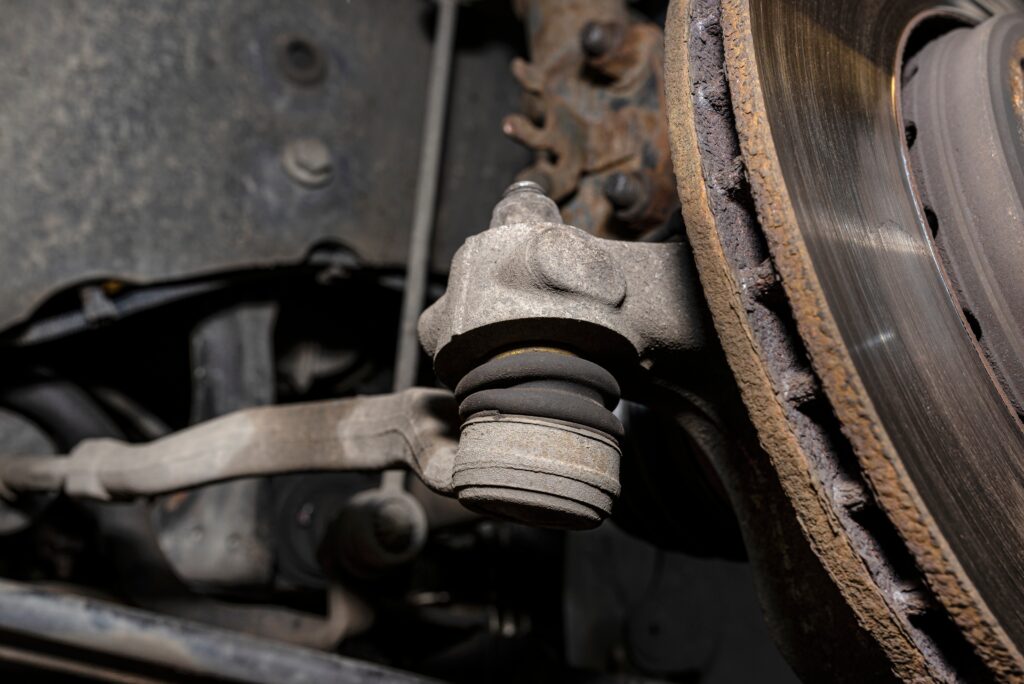
6. Loose or Damaged Tie Rod Ends
Tie rods are an important connection between your steering system and the wheels.
As tie rod ends wear, looseness can develop within the joint. That play may produce clunking or popping when the suspension moves or the steering direction changes.
You may also notice:
- Loose steering
- Steering wheel vibration
- Uneven tire wear
- Vehicle wandering
- Poor steering response
A worn tie rod is more than a noise concern. Because tie rods are directly involved in steering the vehicle, excessive wear can become a serious safety problem.
A car clunking over bumps combined with loose or unpredictable steering should be inspected promptly.
7. A Broken or Damaged Spring
Coil springs support the weight of the vehicle and allow the suspension to move over bumps.
Although springs are designed to handle tremendous loads, they can eventually crack or break.
Road conditions, corrosion, age, and repeated impacts can contribute to spring damage.
A broken spring may cause:
- Clunking over bumps
- One corner of the vehicle sitting lower
- Uneven ride height
- Poor handling
- Unusual tire wear
- A harsher ride
Minnesota driving conditions can be particularly demanding on suspension components. Potholes, road salt, moisture, freezing temperatures, and repeated seasonal changes all expose the underside of a vehicle to harsh conditions.
If one side of your vehicle appears lower than the other, don’t assume the problem is simply an old shock. A damaged spring should also be considered.
8. Loose Exhaust Components
Not every clunk over a bump comes from the suspension.
Your exhaust system runs underneath the vehicle and is held in position with brackets, hangers, and mounts.
If one of these components becomes loose or damaged, the exhaust pipe or muffler may move enough to contact the underside of the vehicle when you hit a bump.
This can create a metallic clunk or banging noise that sounds surprisingly similar to a suspension problem.
You may hear the noise toward the middle or rear of the vehicle rather than directly near one wheel.
An inspection can determine whether the sound comes from the suspension or something else underneath the vehicle.
Why Do I Only Hear the Clunk at Low Speeds?
Drivers often notice suspension noises more clearly at lower speeds.
When you’re driving slowly through a parking lot, over a speed bump, or down a rough residential street, individual suspension movements are easier to hear.
At highway speeds, tire noise, wind, and engine noise can mask smaller sounds.
Low-speed driving also causes individual wheels to move through larger suspension angles when crossing certain bumps or driveway entrances.
So, if your vehicle only clunks while moving slowly over bumps, don’t assume that means the problem isn’t important.
The driving condition may simply make the noise easier to detect.
What If the Car Clunks When Turning Too?
A clunk that occurs both over bumps and while turning provides another clue.
Possible sources can include:
- Ball joints
- Tie rod ends
- Sway bar links
- Control arm bushings
- Strut mounts
- Other steering or suspension components
Technicians often ask exactly when a noise occurs because different conditions place loads on different components.
Try to remember whether the noise occurs when:
- Turning left
- Turning right
- Braking
- Accelerating
- Crossing a bump
- Driving over uneven pavement
- Entering a driveway
The more specific you can be, the easier it may be to reproduce the problem during an inspection.
Can Potholes Cause a Car to Start Clunking?
Absolutely.
A hard pothole impact sends considerable force through the tire and wheel and into the suspension.

Depending on the severity of the impact, potholes can damage or affect:
- Tires
- Wheels
- Alignment
- Ball joints
- Control arms
- Shocks and struts
- Steering components
Sometimes the damage is obvious immediately. Other times, you may simply notice that your vehicle feels or sounds different afterward.
If your car clunking over bumps started shortly after hitting a particularly bad pothole, tell your technician. That information can be useful during diagnosis.
Is It Safe to Drive With a Clunking Suspension?
That depends entirely on what is causing the noise.
A loose exhaust hanger presents a very different concern from a severely worn ball joint or tie rod.
That’s why diagnosing suspension noises based solely on the sound is difficult.
If the vehicle still handles normally and the noise is minor, you may have time to schedule an inspection. However, don’t continue driving normally if you notice significant changes in steering or stability.
Have the vehicle inspected promptly if the clunk is accompanied by:
- Loose steering
- Vehicle wandering
- Severe pulling
- Excessive bouncing
- Steering wheel vibration
- One corner sitting unusually low
- Rapid or uneven tire wear
- A sudden change in handling
If the vehicle becomes difficult to control, avoid driving it until it can be professionally evaluated.
Can Ignoring a Clunk Cause More Damage?
It can.
Suspension components work together. Excessive movement in one worn component can place additional stress on surrounding parts.
For example, a worn suspension component may affect alignment. Poor alignment can then contribute to premature tire wear.
What begins as a relatively isolated repair can eventually involve additional components if the underlying problem continues.
Early diagnosis also helps prevent you from replacing the wrong part. Several suspension problems can produce remarkably similar noises, so guessing based on sound alone isn’t always effective.
How Is a Clunking Noise Diagnosed?
Finding the source usually begins with information from the driver.
A technician may ask:
- Where does the noise seem to come from?
- Does it happen over large or small bumps?
- Does it happen while turning?
- Has the vehicle recently hit a pothole?
- Has the handling changed?
- Does the vehicle pull?
- Is there vibration?
The steering and suspension components can then be inspected for looseness, damage, deterioration, or excessive movement.
Depending on the symptoms, technicians may examine the ball joints, tie rods, bushings, control arms, sway bar links, springs, shocks, struts, mounts, wheel bearings, and related components.
A road test may also help reproduce the sound.
The goal isn’t simply to find something that looks worn. It’s to determine which component is actually creating the symptom.
Why Minneapolis Roads Can Be Tough on Your Suspension
Suspension systems deal with road impacts every time you drive, and Minnesota conditions can make their job especially demanding.
Potholes are an obvious problem, but they’re not the only challenge. Freezing and thawing cycles can create rough pavement, while road salt and moisture expose metal components beneath the vehicle to corrosive conditions.
Over time, these conditions can contribute to wear throughout the steering and suspension system.
That makes unusual noises worth paying attention to, particularly if they appear after a harsh winter, a significant pothole impact, or years of driving on rough roads.
Your vehicle shouldn’t need to sound like something is coming apart every time you drive over a rough section of pavement.
Conclusion
A car clunking over bumps is more than an annoying sound. It can be your first indication that something within the suspension, steering, or another component beneath the vehicle has become worn, loose, or damaged.
Sway bar links, control arm bushings, ball joints, shocks, struts, tie rods, springs, and even loose exhaust components can all create similar noises. Because several problems can produce nearly identical symptoms, a proper inspection is the best way to identify the actual cause.
Pay particular attention if the noise appears alongside loose steering, pulling, uneven tire wear, excessive bouncing, vibration, or changes in handling. Those additional symptoms may indicate that the problem is beginning to affect more than ride comfort.
If you have a car clunking over bumps on Minneapolis streets and want to know what’s causing it, contact us here to schedule an inspection with Longfellow Automotive. Identifying the source early can help restore a quiet, controlled ride and prevent worn components from contributing to additional problems.
Further Reading
AAA Club Alliance – What Are Normal Car Noises and Smells?
https://cluballiance.aaa.com/insurance/askanagent/auto-strange-smell-weird-noise
AAA – Guide to Vehicle Wheel Alignment and Suspension
https://www.acg.aaa.com/connect/blogs/5c/auto/vehicle-wheel-alignment-and-suspension
Firestone Complete Auto Care – Common Suspension Problems
https://www.firestonecompleteautocare.com/blog/maintenance/common-suspension-problems/
MOOG – Common Signs of Suspension Problems
https://www.moogparts.com/en-eu/support/the-problem-solver/technical-support/educational-articles/suspension-problems.html
MOOG – Symptoms of Bad Ball Joints
https://www.moogparts.com/parts-matter/symptoms-of-bad-ball-joints.html