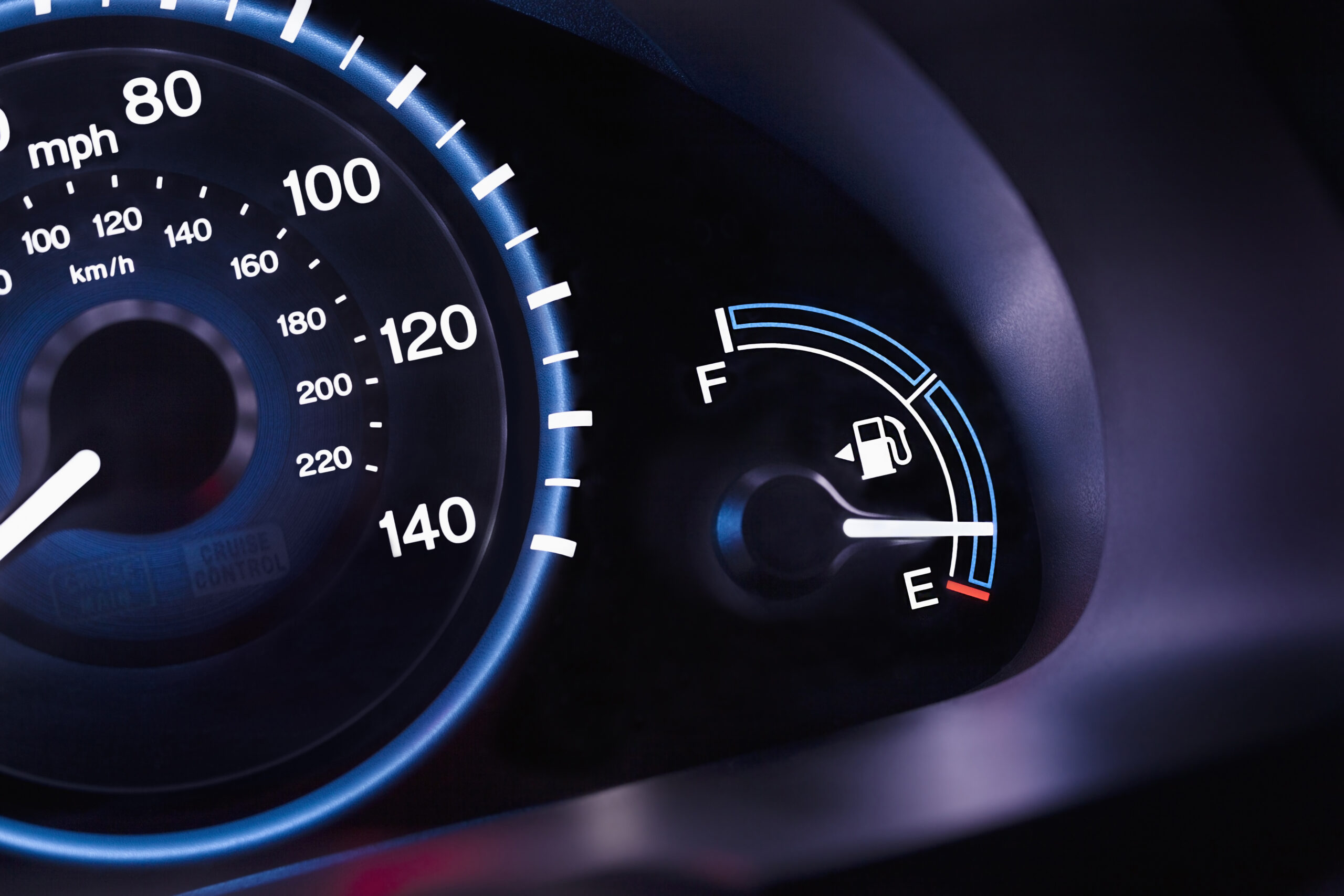
Why Is My Car Using More Gas Than Usual? 10 Surprising Causes
When you drive the same routes every week, you probably have a pretty good idea of how often you need to stop at the gas station. If those stops suddenly seem to be happening more frequently, you may start wondering why your car is using more gas than usual.
Changes in fuel economy aren’t always caused by one major mechanical problem. Something as simple as low tire pressure or a change in driving habits can increase fuel consumption. However, declining gas mileage can also point to problems with your engine, fuel system, sensors, brakes, or other components.
A noticeable drop in fuel economy is worth paying attention to, especially when your driving routine hasn’t changed. Understanding the possible causes can help you determine whether you’re dealing with normal variations or a vehicle problem that deserves professional attention.
Here are some of the most common reasons you may have a car using more gas than usual.
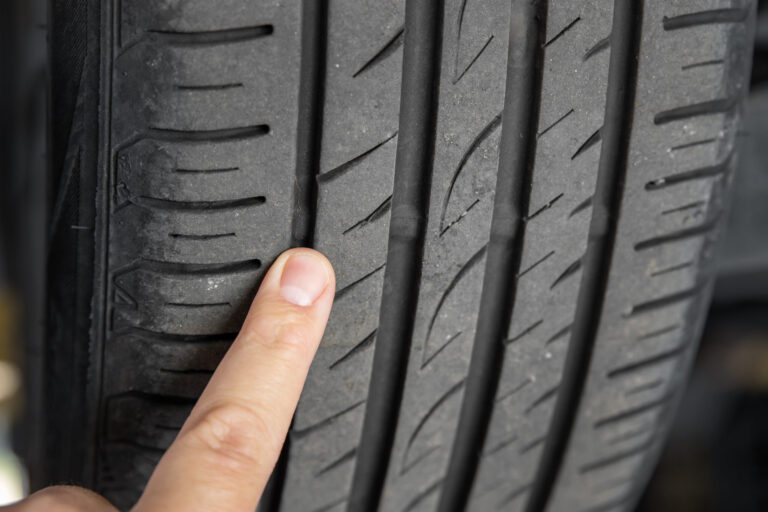
1. Your Tire Pressure Is Too Low
Your tires can have a surprisingly large effect on fuel economy.
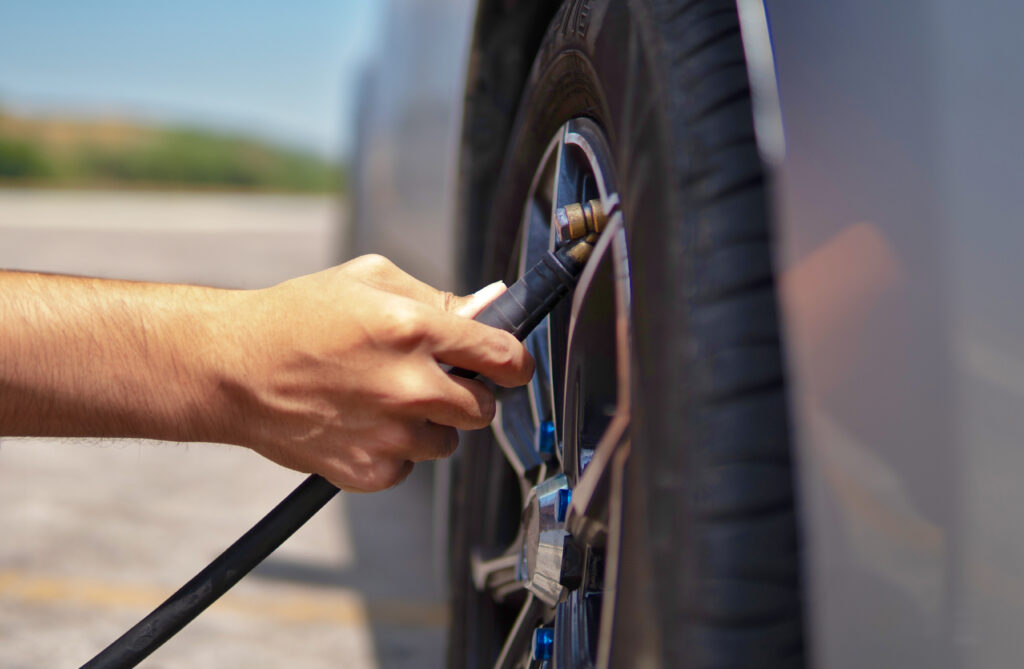
When tires are underinflated, they create additional rolling resistance. Your engine has to work harder to move the vehicle down the road, which requires more fuel.
Low tire pressure can also cause premature tire wear and affect vehicle handling.
Check your tire pressure regularly and compare it with the manufacturer’s recommended pressure, which is usually listed on a sticker inside the driver’s door jamb. Do not use the maximum pressure printed on the tire itself as your target.
Tire pressure also changes as outside temperatures fluctuate. This becomes especially important as Minneapolis moves from late summer into cooler fall weather.
If your car is using more gas than usual, checking the tires is one of the easiest places to start.
2. Your Driving Habits Have Changed
Sometimes the vehicle isn’t the problem at all.
Rapid acceleration, hard braking, speeding, and excessive idling can significantly increase fuel consumption. Even if you aren’t intentionally driving aggressively, changes in your daily routine can make a difference.
For example, you may be:
- Spending more time in stop and go traffic
- Taking shorter trips
- Idling more frequently
- Driving at higher highway speeds
- Making more trips with a cold engine
Short trips can be particularly inefficient because your engine may not have enough time to reach its normal operating temperature.
If your gas mileage has dropped, think about whether your driving patterns have changed recently.
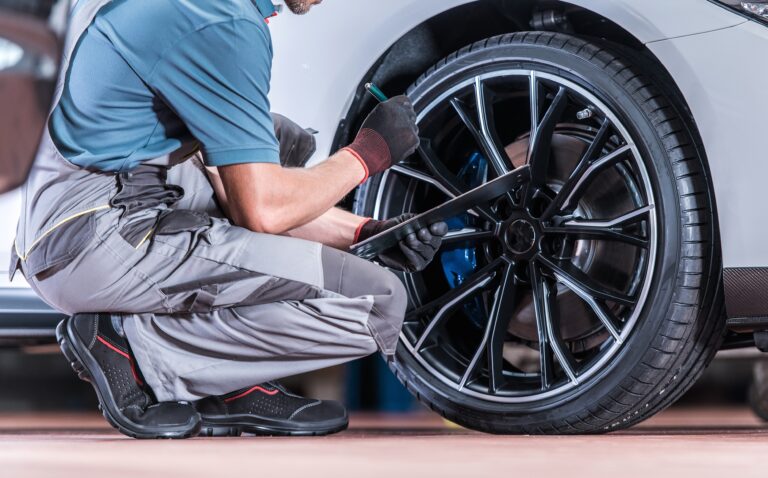
3. Your Wheels Are Out of Alignment
Wheel alignment isn’t just about keeping your steering wheel straight.
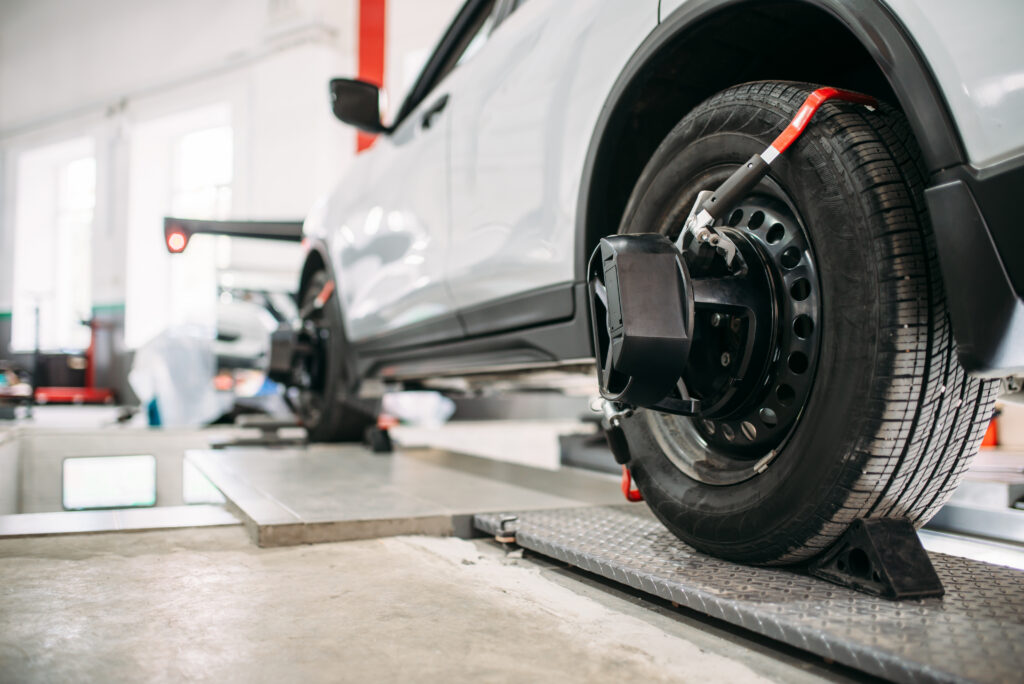
When the wheels aren’t properly aligned, your tires may resist the direction the vehicle is traveling. This creates additional rolling resistance and forces the engine to work harder.
Other signs of an alignment problem can include:
- Vehicle pulling to one side
- Uneven tire wear
- Steering wheel sitting off center
- Unusual steering behavior
Minneapolis roads can be especially tough on alignments. Potholes, rough pavement, and impacts with curbs can all knock the wheels out of alignment.
If you have a car using more gas than usual along with uneven tire wear or pulling, an alignment inspection may be worthwhile.
4. Your Engine Air Filter Is Dirty
Your engine needs the correct mixture of air and fuel to operate efficiently.
The engine air filter prevents dirt, dust, and debris from entering the engine. As the filter becomes dirty, airflow can become restricted.
Modern engines can often compensate for a partially restricted air filter, so the effect on fuel economy may not be as dramatic as it was with older vehicles. However, a severely clogged filter can still affect engine performance.
Depending on the vehicle, you may also notice sluggish acceleration or reduced power.
Replacing an engine air filter at the appropriate interval is a relatively simple maintenance service that helps keep your engine operating properly.
5. A Sensor Isn’t Working Properly
Modern engines rely on numerous sensors to control fuel delivery.
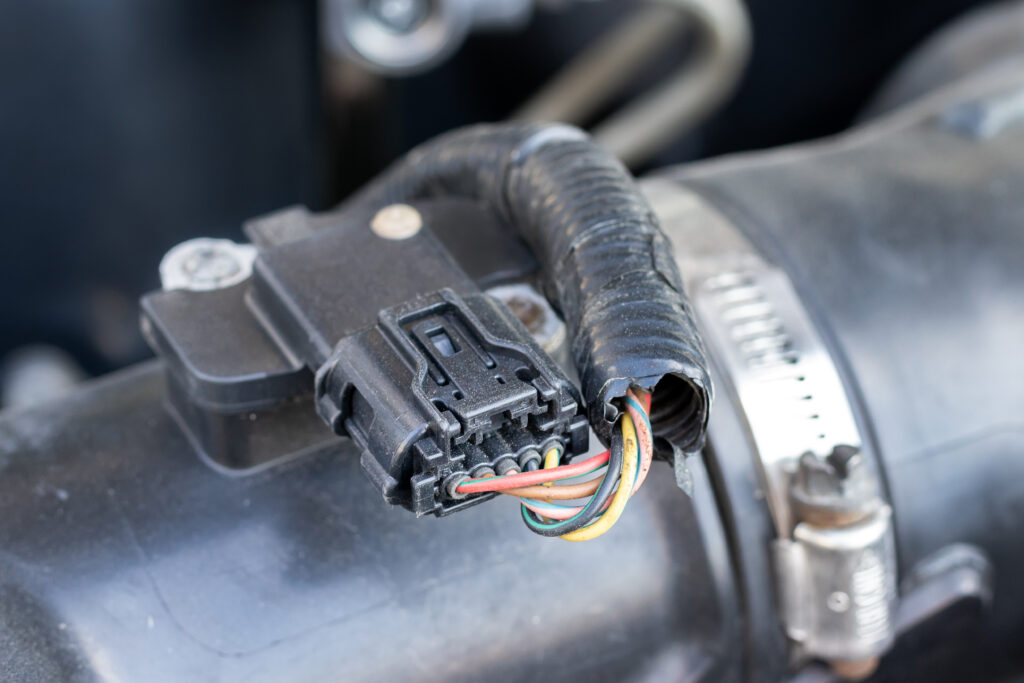
Two particularly important components are the oxygen sensors and mass airflow sensor.
Oxygen sensors monitor the amount of oxygen in the exhaust and help the engine computer adjust the air and fuel mixture.
A mass airflow sensor measures how much air is entering the engine.
If one of these sensors sends inaccurate information, the engine computer may supply more fuel than necessary.
This can result in:
- Poor fuel economy
- Rough running
- Reduced performance
- Increased emissions
- Check engine light
A faulty sensor is one reason a car using more gas than usual shouldn’t automatically be dismissed as normal aging.
6. Your Spark Plugs Are Worn
Spark plugs ignite the air and fuel mixture inside the engine.
As spark plugs wear, they may not ignite the mixture as efficiently. Misfires or incomplete combustion can reduce engine performance and increase fuel consumption.
Depending on the severity of the problem, you might also notice:
- Rough idle
- Difficulty starting
- Hesitation
- Reduced acceleration
- Check engine light
Spark plug replacement intervals vary significantly between vehicles. Some modern spark plugs can last for many tens of thousands of miles, so your manufacturer’s maintenance schedule is the best guide.
7. Your Brakes Are Dragging
Your brakes should release completely when you take your foot off the brake pedal.
Sometimes a brake caliper or another braking component can stick, leaving a brake partially applied.
When that happens, your engine has to overcome the additional resistance every time the vehicle moves.
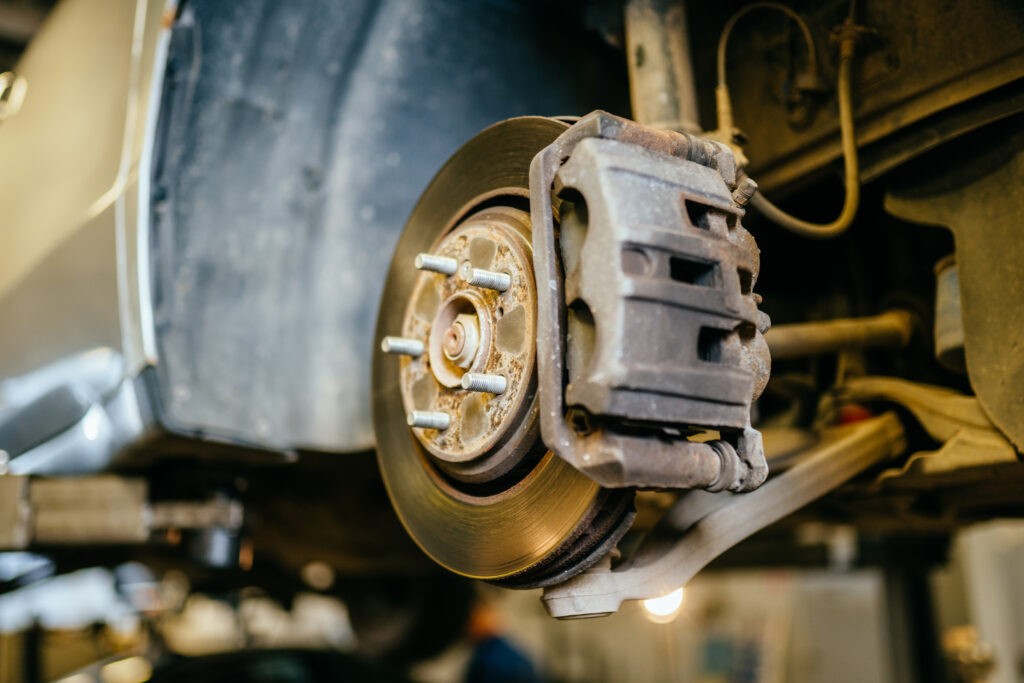
A dragging brake may cause:
- Reduced fuel economy
- Vehicle pulling
- Excessive brake dust
- Burning smell
- Unusual heat near one wheel
- Premature brake wear
Because brake problems can affect vehicle safety as well as efficiency, suspected dragging brakes should be inspected promptly.
8. You’re Carrying More Weight Than Usual
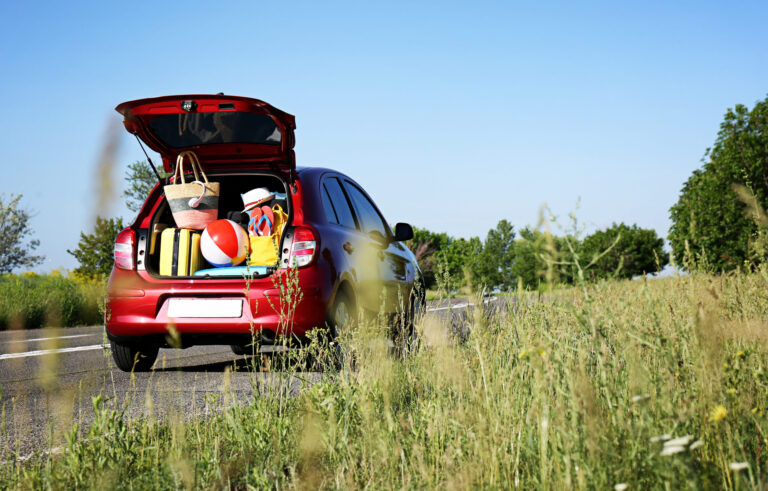
Take a look in your trunk or cargo area.
Sports equipment, tools, boxes, luggage, and other items can accumulate surprisingly quickly. The more weight your vehicle carries, the more energy it requires to accelerate and maintain speed.
Roof mounted cargo can have an even greater effect because it increases aerodynamic drag.
If you installed a roof rack or cargo carrier for summer trips and no longer need it, removing it may help improve your vehicle’s efficiency.
This won’t normally explain a dramatic decline in fuel economy, but combined with other factors, extra weight can contribute to a car using more gas than usual.
9. Your Fuel System Has a Problem
Your vehicle’s fuel system must deliver the correct amount of fuel to the engine at the right time.
Problems with fuel injectors, fuel pressure, or other components can interfere with this process.
Dirty or malfunctioning fuel injectors may cause poor fuel atomization or uneven fuel delivery.
Possible symptoms include:
- Rough idle
- Hesitation
- Reduced power
- Hard starting
- Poor fuel economy
- Check engine light
Fuel system problems require proper diagnosis because several engine problems can produce similar symptoms.
Replacing parts without identifying the actual cause can become expensive quickly.
10. Your Engine Isn’t Reaching the Correct Temperature
Engines are designed to operate within a specific temperature range.
A malfunctioning thermostat can sometimes prevent the engine from reaching its normal operating temperature. When the engine remains too cool, the computer may continue operating with a richer fuel mixture than necessary.
You may notice:
- Poor fuel economy
- Temperature gauge staying unusually low
- Weak cabin heat in cooler weather
- Check engine light
This problem may become more noticeable as temperatures begin dropping in Minnesota.
Could Your Air Conditioner Be Affecting Gas Mileage?
Air conditioning requires energy from the engine, so using the AC can increase fuel consumption.
During hot Minneapolis summer weather, your air conditioner may run almost continuously. That can contribute to a modest change in fuel economy, particularly during city driving.
However, if you’ve always used the AC regularly and suddenly notice a significant drop in gas mileage, air conditioning alone probably doesn’t explain the entire change.
There may be another issue affecting vehicle efficiency.
How Can You Tell If Your Fuel Economy Is Actually Getting Worse?
Fuel gauges aren’t always precise enough to determine whether your mileage has changed.
Instead, calculate your actual fuel economy.
Fill your tank completely and reset your trip odometer. The next time you fill up, divide the number of miles driven by the number of gallons needed to refill the tank.
For example, if you drove 300 miles and added 12 gallons:
300 ÷ 12 = 25 MPG
Track this over several tanks rather than relying on a single fill up.
Fuel economy naturally varies depending on traffic, temperature, trip length, weather, and driving conditions. Tracking several tanks can help identify a consistent decline.
Can Regular Maintenance Improve Gas Mileage?
Keeping up with routine maintenance helps your vehicle operate as efficiently as possible.
Important maintenance items include:
- Maintaining proper tire pressure
- Using the manufacturer’s recommended motor oil
- Replacing worn spark plugs
- Maintaining clean filters
- Correcting alignment problems
- Addressing check engine lights
- Maintaining the fuel and ignition systems
- Inspecting brakes and tires
Routine maintenance isn’t just about preventing breakdowns. It can also help preserve the performance and efficiency your vehicle was designed to deliver.
When Should You Have Poor Fuel Economy Checked?
A small change in fuel economy doesn’t necessarily mean something is wrong.
Weather, traffic, driving habits, and even where you purchase fuel can create variations from one tank to another.
However, consider scheduling an inspection if your gas mileage drops noticeably and remains lower for several tanks, particularly if nothing about your driving routine has changed.
You should also pay attention to additional symptoms such as:
- Check engine light
- Rough idle
- Hesitation
- Loss of power
- Unusual exhaust
- Burning smells
- Vehicle pulling
- Difficult starting
- Strange engine noises
When poor fuel economy appears alongside another symptom, your vehicle may be telling you that something needs attention.
Don’t Ignore a Car Using More Gas Than Usual
Fuel economy is an easy vehicle performance indicator to overlook. You may simply notice that you’re stopping at the pump more often without thinking much about why.
But your vehicle’s fuel consumption reflects how efficiently many different systems are working together.
Tires, brakes, alignment, engine sensors, spark plugs, fuel delivery, driving conditions, and maintenance can all influence how much gasoline your vehicle consumes.
Recognizing a change early gives you an opportunity to identify the cause before a small problem potentially develops into something more expensive.
Conclusion
If you’ve noticed your car using more gas than usual, don’t assume higher fuel costs are the only explanation. Compare your actual mileage over several fill ups and consider whether your driving habits or conditions have changed. If they haven’t, declining fuel economy may point to an issue with your tires, alignment, brakes, engine, sensors, fuel system, or another component.
Keeping your vehicle properly maintained can help preserve fuel efficiency while improving reliability and performance. More importantly, diagnosing an unexpected change can uncover developing problems before they lead to larger repairs.
If your car is using more gas than usual and you aren’t sure why, contact us here to schedule an inspection with Longfellow Automotive. Our team can evaluate your vehicle, determine whether a maintenance or mechanical issue is contributing to the change, and help keep your vehicle running efficiently on Minneapolis roads.
Further Reading
U.S. Department of Energy Alternative Fuels Data Center: Fuel Economy and Efficient Driving
https://afdc.energy.gov/conserve/driving-behavior
U.S. Department of Energy: Tips for Improving Fuel Efficiency
https://www.energy.gov/articles/tips-your-tank-summer-driving-season
AAA: How to Improve Gas Mileage
https://www.aaa.com/autorepair/articles/how-to-improve-gas-mileage-15-tips-for-savings
AAA: How to Maximize Fuel Economy
https://www.aaa.com/autorepair/articles/how-to-maximize-fuel-economy